
Mac OS X Clipboard History
I don’t push my choice of writing tools on others. Well, okay, sometimes I do, but only if I have been using something for ten years and find it indispensable, and it’s open source. That would be Jumpcut.


I don’t push my choice of writing tools on others. Well, okay, sometimes I do, but only if I have been using something for ten years and find it indispensable, and it’s open source. That would be Jumpcut.

Indians in the northwest Amazon . . . possess a knowledge of the tropical forest that puts almost any biologist to shame. . . . at forty paces, their hunters can smell animal urine and distinguish on the basis of scent alone which out of dozens of possible species left it. Such sensitivity is not an innate attribute of these people, any more than technological prowess is something inevitably and uniquely ours. Both are consequences of adaptive choices that resulted in the development of highly specialized but different mental skills, at the obvious expense of others.
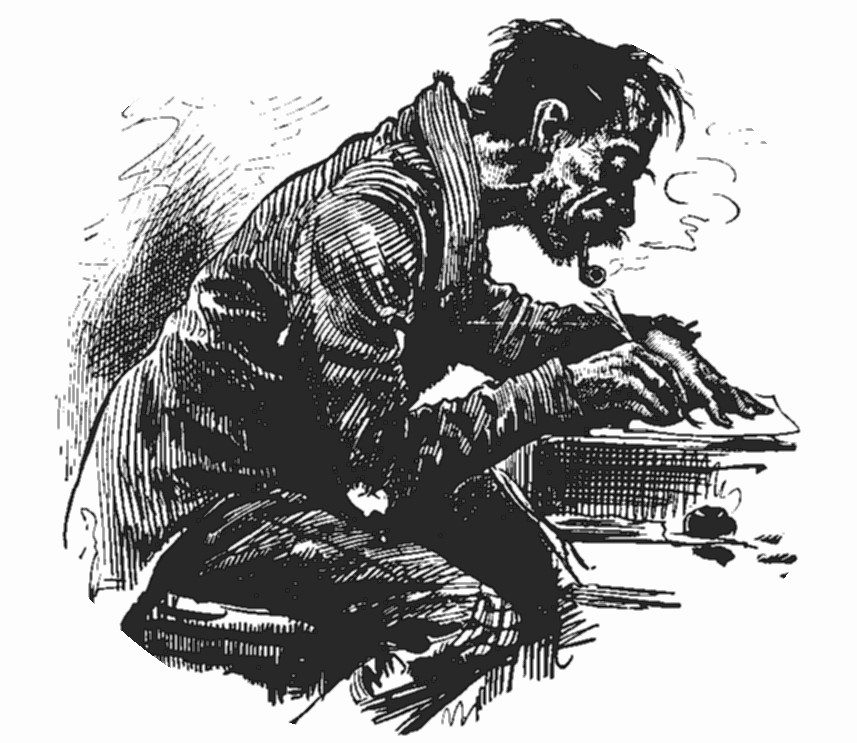
Authors and writers of all stripes can learn a lot about creating and managing words from computer programmers, beginning with an appreciation for the simple, durable efficiencies of plain text.

I wrote this opinion piece for the New York Times in the fall of 2008. Since then I’ve become addicted to financial crisis entertainment and parables of the second gilded age: books, movies, documentaries, Matt Taibi in The Rolling Stone, and the incomparable Gretchen Morgenson in the New York Times business section. The gateway drugs were William D. Cohan’s House of Cards and the Oscar-winning documentary Inside Job by Charles Ferguson, followed by Michael Lewis’s The Big Short, Andrew Ross Sorkin’s Too Big To Fail, and Reckless Endangerment by Gretchen Morgenson and Joshua Rosner. The first serious crisis film that made me feel the fear was HBO’s adaptation of Too Big To Fail. Margin Call beats them all. Shot by J.C. Chandor on a budget but a great cast including Kevin Spacey and Jeremy Irons. Released in theaters and Video On Demand via Amazon. As far as I can tell, the $65 trillion is still missing. Nobody has been prosecuted. And the Fed and the Treasury are still trying to pretend that the money will show up one day, if they can just keep up appearances until it happens. Rise of the Machines, by Richard Dooling, from the New York Times, […]
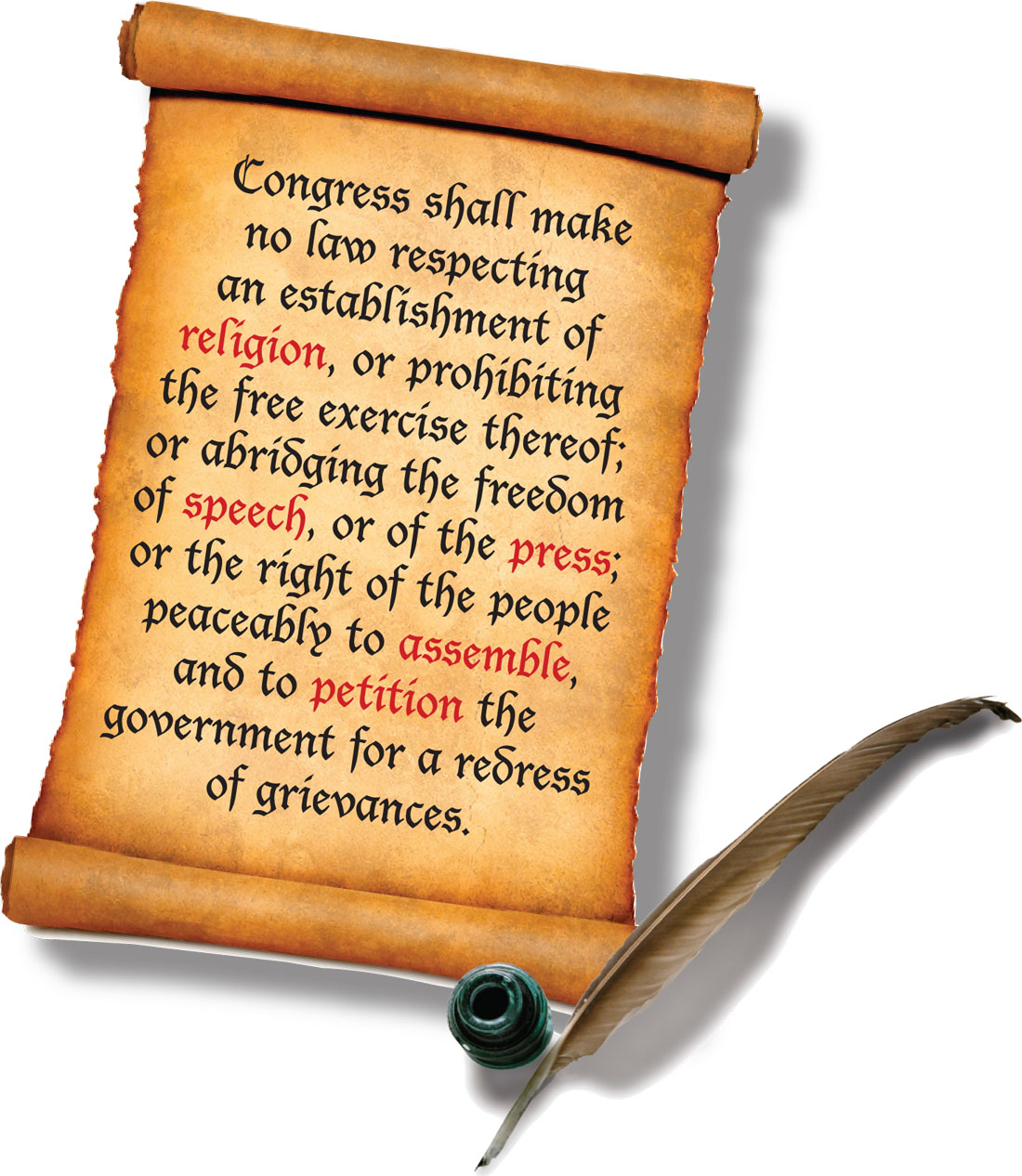
Law students spend the better part of three years beetling their brows over the study of constitutional law—a mercurial, opaque, highly theoretical system of textual exegesis, which nobody but the tenured and long-winded professor pretends to understand. And the capsheaf of con-law contwistification is First Amendment law. The First Amendment protects “the freedom of speech” and has spawned an absorbing delusional system of case law, because the harder you work to understand it, the more complex and inscrutable it becomes, until its tracts and tiers and modes of analyses, its time, place, and manner restrictions, its public and private figures and forums, its symbolic expressions and invasions of privacy–all evanesce into vaporous metaphysics. The average citizen knows only that the First Amendment does not mean what it says (i.e., “Congress shall make NO law . . .”), because Congress in fact makes laws abridging the freedom of speech (laws against child pornography, obscenity, fraud, so-called “fighting words,” and so on). To the layperson, the First Amendment must mean whatever nine robed Platonic Guardians say it means: “This political speech is good, we’ll protect it. This obscene speech is bad, we’ll call it ‘unprotected speech’ and let governments ban it.” Voila! […]